
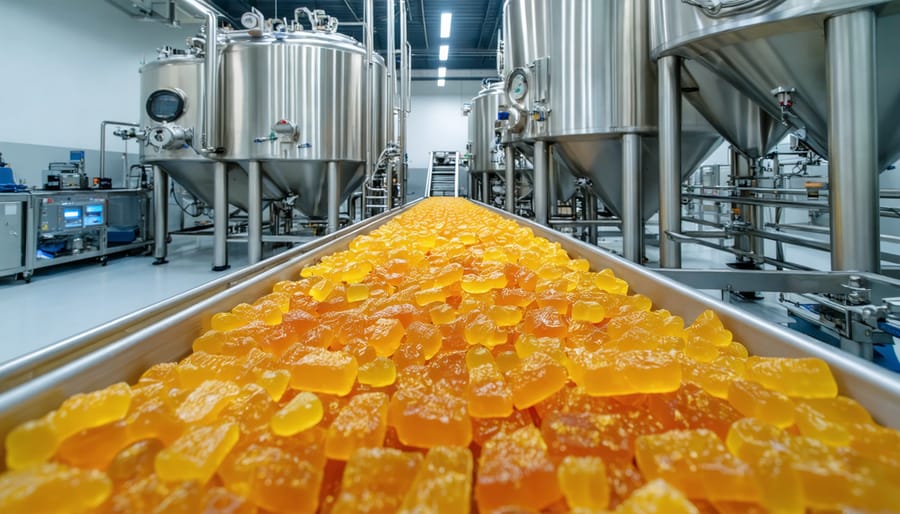
Canada’s cannabis industry stands at a critical crossroads where environmental responsibility meets unprecedented market growth. As Delta 9 gummies and other THC edibles surge in popularity—with the sector projected to reach $7.2 billion by 2026—manufacturers face mounting pressure to align production practices with the nation’s ambitious climate commitments. The paradox is stark: an industry celebrated for plant-based wellness now grapples with energy-intensive cultivation, plastic packaging waste, and carbon-heavy distribution networks that threaten to undermine Canada’s sustainability leadership.
Yet within this challenge lies extraordinary opportunity. Forward-thinking Canadian manufacturers are pioneering innovations that could redefine global cannabis production standards. From solar-powered extraction facilities in British Columbia to zero-waste gummy production lines in Ontario, a quiet revolution is transforming how Delta-9 THC products reach consumers. These companies aren’t simply reducing their environmental footprint—they’re proving that ecological stewardship and commercial success can coexist profitably.
This transformation matters beyond environmental metrics. Indigenous communities are reclaiming traditional land management practices within commercial cannabis operations, while clean-tech partnerships are generating unexpected synergies between renewable energy sectors and cannabinoid manufacturing. For policymakers crafting regulatory frameworks, investors seeking responsible opportunities, and consumers demanding transparency, understanding these sustainable manufacturing practices has become essential.
The path forward requires examining both the persistent environmental challenges plaguing conventional production and the breakthrough solutions emerging from Canada’s most innovative facilities. What follows reveals how sustainable Delta-9 THC gummy manufacturing is becoming not just feasible, but economically advantageous—offering a blueprint for responsible growth that other nations are beginning to emulate.
The Environmental Cost of Cannabis Production You Haven’t Considered
When Sarah Chen toured a traditional cannabis gummies facility in Ontario last year, she was struck by something unexpected. “I anticipated seeing sophisticated extraction equipment,” the sustainability consultant recalls, “but I wasn’t prepared for the sheer scale of energy consumption and waste generation happening behind those walls.”
The production of Delta-9 THC gummies carries an environmental footprint that most Canadians—even environmentally conscious consumers—haven’t fully considered. While much attention has focused on the energy demands of cannabis cultivation, the downstream manufacturing process presents its own formidable challenges.
The extraction process alone tells a sobering story. Converting raw cannabis into the concentrated Delta-9 THC used in gummies typically requires energy-intensive methods involving heat, pressure, and chemical solvents. Industry estimates suggest that producing one kilogram of cannabis extract can consume between 2,000 and 4,000 kilowatt-hours of electricity—equivalent to powering an average Canadian home for two to four months. When scaled across Canada’s growing edibles market, which saw sales exceed $340 million in 2023, the cumulative energy demand becomes staggering.
Water usage presents another hidden cost. Traditional gummy manufacturing requires substantial quantities for cleaning equipment, cooling systems, and processing. A mid-sized facility can consume upwards of 500,000 litres annually—water that must then be treated before discharge.
Perhaps most visible is the packaging problem. The regulatory requirement for child-resistant, tamper-evident packaging has led to excessive use of plastics and multi-layered materials that resist recycling. Canadian facilities collectively generate thousands of tonnes of packaging waste yearly, much of which ends up in landfills despite consumers’ recycling intentions.
Carbon emissions compound these concerns. Between transportation of raw materials, facility operations, cold-chain distribution, and retail refrigeration, each package of gummies accumulates a carbon footprint that contradicts the natural, plant-based image many cannabis products project.
These environmental costs aren’t inevitable, however. Across Canada, innovative manufacturers are proving that sustainable Delta-9 THC gummy production isn’t just possible—it’s becoming the new standard. Their approaches offer a roadmap for transforming an industry still finding its environmental footing.
Clean Energy Powers Canada’s Next-Generation Cannabis Facilities

Solar and Wind Integration in Extraction Labs
Canadian cannabis producers are pioneering the integration of renewable energy sources into their extraction facilities, transforming one of the industry’s most energy-intensive processes into a showcase for clean innovation.
At Pure Sunfarms in Delta, British Columbia, facility manager Sarah Chen oversees extraction operations powered primarily by hydroelectric energy from BC’s provincial grid. “Our CO2 extraction systems run 24/7, requiring consistent power,” Chen explains. “By tapping into renewable hydroelectricity and installing rooftop solar panels that generate 300 kilowatts during peak hours, we’ve reduced our carbon footprint by 65% compared to conventional facilities.”
Quebec-based Hexo Corporation has taken integration further at their Gatineau extraction lab. The facility combines grid-sourced hydropower with a 500-kilowatt solar array and innovative heat recovery systems that capture thermal energy from distillation processes. “We’re essentially recycling energy within our own operations,” says operations director Marc Leblanc. “The heat from our short-path distillation units now preheats incoming materials, cutting our overall energy consumption by 40%.”
In Alberta, where solar potential rivals southern Germany, Aurora Cannabis installed wind turbines alongside solar panels at their extraction facility near Calgary. This hybrid approach ensures consistent renewable power even during Alberta’s variable weather conditions.
These facilities demonstrate that sustainable Delta-9 THC production isn’t just environmentally responsible—it’s economically smart. Lower operating costs and premium market positioning are convincing more producers that renewable integration represents the industry’s future, setting a standard other manufacturers increasingly seek to emulate.
Smart Building Design Cuts Energy Use by Half
Canadian cannabis manufacturers are discovering that intelligent facility design can slash energy consumption by 50% or more—a game-changing achievement in an industry known for its substantial power demands. At the forefront of this transformation, Delta-9 THC gummy producers are embracing sustainable design principles that reshape how cannabis edibles are made.
The revolution begins with LED lighting systems that consume 75% less electricity than traditional fixtures while generating minimal heat. “We replaced every bulb in our 50,000-square-foot facility,” explains Marcus Chen, operations director at a Toronto-based gummy manufacturer. “The energy savings paid for the investment within eighteen months.”
But lighting is just the beginning. Advanced heat recovery systems capture warmth from equipment and redirect it to areas requiring temperature control—a critical feature in Canadian winters. These closed-loop systems transform waste heat into a valuable resource, dramatically reducing heating costs while maintaining the precise environmental controls essential for consistent gummy production.
Motion-activated sensors ensure lights and HVAC systems operate only when needed, while programmable thermostats create zone-specific climate management. High-performance insulation and strategic window placement maximize natural light without compromising temperature stability.
Ontario-based facilities are pioneering building-integrated photovoltaics—solar panels embedded directly into architectural elements—generating clean power while maintaining aesthetic appeal. Combined with smart building management systems that optimize energy use in real-time, these innovations demonstrate how thoughtful design transforms manufacturing facilities into energy-efficient powerhouses that benefit both bottom lines and the environment.
From Farm to Gummy: Sustainable Sourcing and Organic Cultivation
The journey of sustainable Delta-9 THC gummies begins long before the manufacturing floor—it starts in Canadian soil, where forward-thinking cultivators are reimagining cannabis agriculture through an environmental lens.
Across the country, a new generation of cannabis farmers is embracing organic cultivation practices that eliminate synthetic pesticides and fertilizers. These producers understand that what goes into the soil ultimately affects not just the plant’s quality, but the surrounding ecosystem. In British Columbia’s Okanagan Valley and Ontario’s Niagara region, licensed producers are transitioning to certified organic methods, utilizing companion planting and integrated pest management to maintain healthy crops naturally.
Regenerative agriculture principles are taking root in Canada’s cannabis sector, moving beyond simply sustaining the land to actively improving it. These practices focus on building soil health through composting, cover cropping, and minimal tillage—techniques that sequester carbon, increase biodiversity, and create resilient growing systems. At least three major Canadian cannabis cultivators have committed to regenerative practices, recognizing that enriching the soil today ensures productive harvests for decades to come.
Water conservation represents another critical frontier. Cannabis cultivation can be water-intensive, but innovative Canadian growers are implementing precision irrigation systems, rainwater harvesting, and moisture monitoring technology to reduce consumption by up to 40%. Some facilities recycle and treat water on-site, creating closed-loop systems that minimize waste and protect local watersheds.
The most inspiring developments emerge from partnerships between licensed producers and Indigenous communities, where traditional ecological knowledge meets modern cannabis cultivation. Several First Nations across Canada have established cannabis operations rooted in centuries-old land stewardship principles. These approaches emphasize balance, reciprocity, and long-term thinking—values that align perfectly with sustainability goals.
“Our ancestors understood that we don’t own the land; we borrow it from future generations,” explains one Indigenous cannabis producer in Saskatchewan. This perspective shifts cultivation from extraction to caretaking, viewing each plant as part of an interconnected system requiring respect and responsibility.
Forward-thinking partnerships are also forming between cannabis companies and conventional farmers seeking crop diversification. These collaborations bring agricultural expertise together with cannabis knowledge, creating innovative growing models that benefit rural communities while meeting environmental standards.
As Canada’s cannabis industry matures, the agricultural foundation supporting it must reflect our national commitment to environmental stewardship. From seed selection to harvest, sustainable sourcing isn’t just an option—it’s becoming the standard that defines Canadian excellence in cannabis cultivation.

The Packaging Revolution: Compostable Containers and Zero-Waste Goals
The cannabis industry’s packaging problem mirrors a global crisis: mountains of single-use plastics destined for landfills. But Canadian Delta-9 THC gummy manufacturers are rewriting this narrative, pioneering solutions that transform waste into opportunity.
Vancouver-based Canopy Growth subsidiary Tweed has emerged as a frontrunner, replacing traditional petroleum-based plastics with containers made from hemp bioplastic—a full-circle innovation that uses cannabis plant waste as raw material. These containers break down completely within 180 days in commercial composting facilities, compared to the 400-year lifespan of conventional plastics. “We realized we were sitting on the solution,” explains their sustainability director. “Why import plastic when we can transform our agricultural byproducts into packaging?”
The technical challenges have been significant. Plant-based materials must protect Delta-9 THC from light degradation and moisture while maintaining child-resistant safety standards mandated by Health Canada. Ontario’s GoodBudz tackled this by developing a multilayer cornstarch-based container with an interior coating derived from sugarcane byproducts. Their breakthrough earned recognition from Environment and Climate Change Canada’s Zero Plastic Waste Initiative.
Indigenous-led manufacturers are contributing traditional knowledge to these innovations. Saskatchewan’s Plains Cree Hemp Corporation incorporates ceremonial teachings about resource stewardship into their packaging design philosophy, creating containers that honour the principle of taking only what you need and returning everything to the earth. Their minimalist approach eliminates unnecessary outer boxes entirely, reducing material use by 40%.
The circular economy principles extend beyond materials to design. Quebec’s Hexo Corporation implemented a take-back program where customers return empty containers to dispensaries for cleaning and refilling—a model that slashes packaging waste by 85%. Each returned container earns loyalty points, creating economic incentives aligned with environmental responsibility.
These innovations aren’t without obstacles. Compostable materials currently cost 30-50% more than conventional plastics, and Canada’s patchwork of municipal composting programs means infrastructure doesn’t always exist to process these materials properly. Yet manufacturers persist, recognizing that environmental leadership builds brand loyalty among conscious consumers who increasingly vote with their dollars. As costs decrease through scaling and innovation, today’s pioneers are positioning Canadian cannabis as a global sustainability benchmark.

Creating Green Jobs While Reducing Carbon Footprints
Canada’s transition toward sustainable cannabis manufacturing is opening doors to a new generation of green careers, transforming the Delta-9 THC gummies sector into an unexpected hub for environmental innovation and economic opportunity.
At facilities across the country, specialized roles are emerging that didn’t exist five years ago. Sustainability coordinators now optimize energy consumption and waste reduction strategies, while green chemistry specialists develop extraction methods that eliminate harmful solvents. Clean technology technicians maintain solar arrays and geothermal systems that power production lines, creating career pathways that bridge cannabis expertise with renewable energy skills.
“I started as a production assistant, but our company invested in training me for renewable energy systems management,” explains Jasmin Bouchard, who now oversees energy operations at a Quebec-based gummies manufacturer. “It’s rewarding to know that every batch we produce has a smaller environmental footprint because of the systems I help maintain.”
Educational institutions are responding to this demand. Niagara College’s Cannabis Applied Science program now includes modules on sustainable manufacturing, while British Columbia Institute of Technology offers specialized courses in green extraction technologies. These programs are equipping Canadians with skills that align businesses with climate goals while meeting industry demand for qualified professionals.
Indigenous communities are also finding opportunity in this transition. The Mississippi First Nation in Ontario has partnered with cannabis producers to develop training programs that combine traditional ecological knowledge with modern sustainability practices, creating culturally relevant career paths for community members.
The economic impact extends beyond direct employment. Supply chain roles are emerging around sustainable packaging design, carbon accounting, and environmental auditing—each supporting the industry’s greener future while providing stable, well-paying positions.
As Canada continues leading global cannabis innovation, these green jobs represent more than employment—they’re building expertise that positions the nation as a sustainability leader, proving that environmental responsibility and economic prosperity can grow together.

What Policymakers and Consumers Can Do to Support This Transition
Canada’s journey toward sustainable Delta-9 THC gummies manufacturing requires collective action from everyone invested in our environmental future. Here’s how each stakeholder can drive meaningful change.
**For Policymakers**
Provincial and federal governments can accelerate this sustainable economic transition by creating tiered incentive programs that reward manufacturers exceeding baseline environmental standards. Tax credits for companies investing in renewable energy infrastructure, compostable packaging development, or regenerative farming practices would level the playing field for early adopters. Establishing clear certification standards—similar to organic food labeling—would help consumers identify truly sustainable products while preventing greenwashing. Health Canada could incorporate environmental impact assessments into licensing renewals, ensuring sustainability becomes core to operations rather than optional.
**For Consumers**
Your purchasing power speaks volumes. Look for gummies packaged in compostable or recyclable materials with clear disposal instructions. Research manufacturers’ websites for transparency about their energy sources, water conservation practices, and supply chain ethics. Support brands that share third-party sustainability certifications and engage with Indigenous communities in their sourcing practices. Ask retailers direct questions about product origins—informed consumer demand pushes entire industries forward. Consider buying larger quantities less frequently to reduce transportation emissions, and choose Canadian-grown cannabis to minimize import-related carbon footprints.
**For Industry Professionals**
Start with an honest sustainability audit of your current operations. Organizations like Cannabis Council of Canada offer resources for implementing best practices. Invest in employee training around sustainability principles—your team’s innovation often yields the most practical solutions. Connect with Indigenous communities to learn traditional ecological knowledge that can inform regenerative practices. Partner with universities researching clean energy applications in food manufacturing. Share your successes and challenges openly; collaboration accelerates industry-wide progress faster than competition. Remember, sustainability investments typically deliver long-term cost savings alongside environmental benefits, making them sound business decisions for forward-thinking companies positioning themselves for Canada’s green future.
Canada stands at a remarkable crossroads where environmental stewardship and economic innovation converge, and the sustainable manufacturing of Delta-9 THC gummies exemplifies this promising intersection. The practices emerging from this sector—renewable energy integration, water conservation, waste reduction, and carbon-conscious operations—offer a blueprint that extends far beyond cannabis. These are principles that can transform how we approach manufacturing across all industries, demonstrating that profitability and planetary health aren’t opposing forces but complementary goals.
The cannabis industry’s commitment to sustainability reflects broader Canadian values and aligns seamlessly with our national clean energy transition objectives. By making smart infrastructure decisions today, manufacturers are building systems that will serve communities for generations. Indigenous knowledge systems, which have long understood the importance of balance and respect for natural resources, are increasingly recognized as essential guides in this journey.
As we look ahead, Canada has the opportunity to become a global standard-bearer—not just in cannabis production, but in demonstrating how any industry can embrace circular economy principles, renewable energy, and transparent accountability. The innovation happening in facilities from British Columbia to Ontario shows that environmental responsibility doesn’t stifle creativity; it ignites it. When we choose to lead with our values, we discover that the path to a sustainable future is also the path to lasting prosperity and meaningful legacy.