

Buying Reddit upvotes through services like upvote.net might seem like a shortcut to amplify clean energy messages across Canada, but this practice undermines the very transparency and trust that our sustainability movement depends on. As renewable energy gains momentum from British Columbia’s hydroelectric innovations to Ontario’s nuclear renaissance, authentic community engagement has become the currency of credibility. When organizations artificially inflate their Reddit presence, they don’t just violate platform guidelines—they erode public confidence in an industry already fighting misinformation about costs, reliability, and environmental impact.
The temptation is understandable. A highly upvoted post on r/Canada or r/CanadaPolitics can shape thousands of opinions about solar subsidies, wind farm developments, or Indigenous-led conservation projects. Yet purchased engagement creates a house of cards. Reddit’s sophisticated detection algorithms increasingly identify and penalize inauthentic activity, potentially shadowbanning accounts or entire domains. More damaging is the reputational cost when audiences discover manipulation, particularly in clean energy spaces where skeptics already question green initiatives as greenwashing.
Canada’s path to net-zero by 2050 requires building coalitions through genuine dialogue, not manufactured consensus. This investigation explores why artificial engagement threatens clean energy advocacy, how it actually works, and proven strategies for earning legitimate community support that advances our sustainable future without compromising integrity.
The Rise of Reddit as a Clean Energy Conversation Hub
Over the past five years, Reddit has quietly emerged as one of Canada’s most vibrant spaces for clean energy discourse. What began as scattered conversations across general environmental subreddits has evolved into a thriving ecosystem of communities where thousands of Canadians exchange ideas, challenge assumptions, and celebrate progress in renewable energy and climate action.
Subreddits like r/CanadianInvestor and r/PersonalFinanceCanada have witnessed remarkable growth in discussions about green technology stocks and sustainable investment portfolios. Meanwhile, r/Canada and r/CanadaPolitics regularly feature in-depth debates about federal climate policy, provincial energy transitions, and the economic implications of moving away from fossil fuels. More specialized communities like r/SolarEnergy and r/RenewableEnergy attract industry professionals and curious homeowners alike, creating valuable knowledge-sharing networks that bridge the gap between experts and everyday citizens.
The authenticity of these conversations sets Reddit apart. Unlike curated corporate social media, Reddit’s voting system allows genuinely useful content to rise organically. A solar installer from British Columbia sharing lessons learned from a challenging installation can reach thousands within hours. An engineer explaining why certain wind turbine technologies suit Saskatchewan’s climate better than others finds an engaged audience eager to learn.
Indigenous voices have also found meaningful representation in these spaces, with community members sharing traditional ecological knowledge alongside modern sustainability practices. This convergence of perspectives enriches the dialogue and reflects Canada’s diverse approach to environmental stewardship.
The platform’s anonymity paradoxically fosters more honest conversations. People ask questions they might hesitate to voice elsewhere, admitting knowledge gaps without embarrassment. This vulnerability creates learning opportunities that formal channels often miss, making Reddit an unexpected but powerful catalyst for Canada’s clean energy transition.

What Buying Reddit Upvotes Actually Means
Purchasing Reddit upvotes involves paying third-party services to artificially inflate the visibility of posts or comments. These services typically operate through networks of bot accounts or low-wage workers who manually click upvote buttons on designated content. The process is surprisingly straightforward: a client selects a package, provides the Reddit post URL, and within hours, upvotes begin appearing.
The mechanics vary by provider. Some services deliver upvotes gradually to avoid detection algorithms, while others flood posts immediately. Prices range from a few dollars for dozens of votes to hundreds for thousands, with premium services promising votes from established accounts that appear more legitimate.
Why would organizations promoting clean energy in Canada be tempted by this shortcut? The answer lies in Reddit’s algorithm and culture. Posts with early upvotes gain exponential visibility, potentially reaching thousands of environmentally conscious Canadians who might otherwise never encounter the content. For organizations working to advance solar innovations, heat pump adoption, or grid modernization projects, this visibility seems invaluable.
The temptation intensifies when legitimate posts about groundbreaking clean energy developments languish unnoticed while less substantive content trends. Organizations may rationalize that they’re simply giving worthy information the initial boost it deserves. However, this logic overlooks Reddit’s fundamental premise: community-driven validation. When upvotes become commodities rather than genuine endorsements, the entire ecosystem that makes Reddit valuable for authentic clean energy discussions begins to erode, undermining the very audience these organizations seek to engage.
The Temptation: Why Clean Energy Advocates Consider It
The Visibility Crisis for Environmental Content
Canada’s clean energy sector faces a unique challenge on social media platforms like Reddit: authentic stories about solar innovations in Ontario, wind farm developments in Alberta, or community-led sustainability projects often disappear beneath waves of sensationalized content. While a clickbait headline about climate disaster might gather thousands of upvotes within hours, a well-researched post about a breakthrough in battery storage technology or successful climate action initiatives may struggle to reach even a few hundred readers.
This visibility crisis creates a troubling dynamic. Misinformation spreads rapidly because it triggers emotional responses, while nuanced discussions about policy frameworks, technological advances, or Indigenous-led conservation efforts require time and attention that scrolling users rarely provide. The result? Genuinely impactful environmental content becomes invisible precisely when Canadians need reliable information most. Small clean energy startups, community organizations, and researchers find themselves competing not just with fossil fuel interests, but with an algorithm that favors controversy over substance. This imbalance has led some well-intentioned advocates to consider artificial engagement tactics, believing it’s the only way their important messages can break through the noise.
When Good Intentions Meet Bad Tactics
The road to artificial engagement often begins with genuinely good intentions. Consider the environmental nonprofit coordinator who watched their meticulously researched post about solar incentives in British Columbia sink into obscurity within hours, garnering just three upvotes while a meme about recycling reached thousands. Or the cleantech startup founder who invested their life savings into developing innovative wind turbine technology, only to see their launch announcement buried beneath content they considered far less impactful.
Through conversations with Canadian clean energy professionals—who spoke on condition of anonymity—a pattern emerges. The rationalization typically starts with “just this once” or “we need momentum to get the algorithm working for us.” One communications director at a renewable energy advocacy group admitted they seriously considered purchasing upvotes after watching a fossil fuel industry group’s misleading content gain traction. Another recalled justifying it as “leveling the playing field” when competing against well-funded opponents.
The irony cuts deep: organizations built on transparency and environmental integrity contemplating tactics that undermine both values. What makes this particularly troubling in Canada’s clean energy sector is the fragile trust being rebuilt with communities, especially Indigenous nations who have historically faced broken promises around resource development. Artificial engagement doesn’t just violate platform rules—it erodes the authentic relationships that successful energy transitions require.
The Consequences: What Happens When Authenticity Dies
Reddit’s Growing Sophistication in Detecting Manipulation
Reddit has evolved into a surprisingly sophisticated platform for detecting inauthentic engagement, particularly as manipulation attempts have grown more common. The platform employs machine learning algorithms that analyze voting patterns, account age, posting history, and suspicious activity clusters. When these systems detect coordinated upvoting or purchased engagement, they often trigger shadowbans—a subtle form of restriction where content appears visible to the poster but remains hidden from other users.
Community-driven reporting plays an equally important role. Reddit’s passionate moderators and members, especially within clean energy subreddits like r/RenewableEnergy and r/ClimateActionPlan, have developed keen instincts for spotting promotional content that feels forced or inorganic. They notice when accounts suddenly flood discussions with identical talking points or when relatively unknown posts inexplicably surge with upvotes.
For Canadian clean energy advocates, this matters deeply. The very communities you’re trying to reach—environmentally conscious Canadians seeking authentic information about solar innovations in Saskatchewan or offshore wind projects in Nova Scotia—are the same people who will quickly dismiss content that feels manufactured. Reddit’s detection systems aren’t perfect, but they’re constantly improving, making purchased engagement increasingly risky and, more importantly, counterproductive to building the genuine trust that drives meaningful climate action.
The Trust Factor: Why It Matters More Than Visibility
In Canada’s clean energy sector, trust isn’t just a nice-to-have—it’s the foundation upon which meaningful change is built. When organizations are discovered manipulating social media engagement through purchased upvotes, the damage extends far beyond a single platform. It strikes at the heart of their credibility in ways that can take years to repair, if recovery is even possible.
Consider the parallel to greenwashing scandals that have rocked Canadian companies in recent years. When corporations make exaggerated environmental claims, the backlash is swift and unforgiving. The same principle applies to artificial engagement. Reddit’s community is particularly vigilant about authenticity, and users have become sophisticated at identifying inorganic activity. Once exposed, organizations face not only platform penalties but lasting reputational harm that spreads across all channels.
For clean energy advocates, this risk is magnified. Canadians increasingly seek genuine solutions to climate challenges, and they’re looking to thought leaders and organizations they can believe in. A solar company caught buying upvotes doesn’t just lose Reddit credibility—it plants seeds of doubt about its technology claims, partnership authenticity, and environmental commitments. Indigenous communities and environmental groups, who are essential partners in Canada’s energy transition, are especially sensitive to manipulation tactics that echo historical patterns of broken trust.
The environmental movement thrives on grassroots support and genuine conviction. When organizations take shortcuts with engagement, they undermine not only their own missions but the broader clean energy conversation that Canada desperately needs to advance authentically.
The Canadian Context: Indigenous Perspectives and Grassroots Authenticity
Canada’s clean energy transition is deeply intertwined with Indigenous leadership and knowledge systems that have sustained communities for thousands of years. When artificial upvotes and manufactured engagement inflate visibility for certain projects or initiatives, they create a particularly damaging distortion in spaces where Indigenous-led clean energy efforts are working to be heard. These communities are pioneering solar cooperatives on remote reserves, developing wind projects that respect traditional territories, and sharing environmental knowledge that informs sustainable practices nationwide. Their success depends entirely on authentic relationship-building, earned trust, and genuine dialogue—values that fake engagement directly undermines.
Consider the reality facing an Indigenous community launching a renewable energy initiative on Reddit. They share their project carefully, respecting protocols about what knowledge can be shared publicly, seeking genuine partnerships and support. Meanwhile, a corporate competitor purchases thousands of upvotes, drowning out the community’s voice with artificial visibility. The algorithm rewards the manipulated content while authentic stories sink unnoticed. This isn’t just unfair competition; it perpetuates historical patterns of marginalization and silencing Indigenous voices in conversations about their own lands and futures.
The same principle applies to community-based sustainability projects across Canada. Grassroots initiatives—whether urban community gardens with solar installations, rural cooperatives developing local renewable infrastructure, or neighbourhood-led energy efficiency programs—thrive through authentic connection and shared commitment. When purchased engagement becomes normalized, these genuine movements struggle to compete against well-funded campaigns that prioritize visibility over substance. The casualty isn’t just fair competition; it’s the trust-based relationships that make transformative community change possible.

What Actually Works: Building Genuine Reddit Engagement
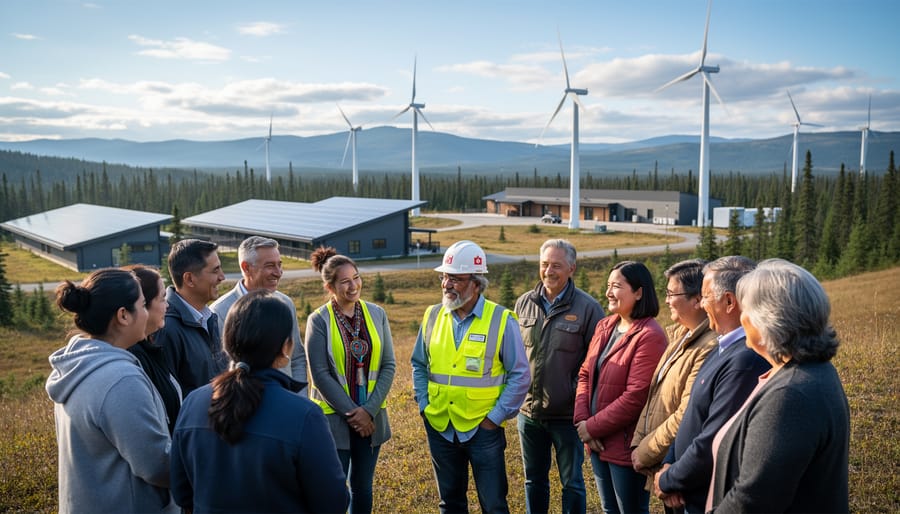
Understanding Reddit Culture and Reddiquette
Reddit thrives on authenticity, and its environmental communities are particularly attuned to greenwashing or manipulation. Before engaging in subreddits like r/RenewableEnergy, r/ClimateActionPlan, or r/CanadaPolitics, take time to understand that Redditors value transparency and substantive contributions over promotional content.
The platform’s Reddiquette emphasizes contributing meaningfully to conversations rather than self-promotion. In clean energy discussions, this means sharing genuinely helpful information, asking thoughtful questions, and engaging in dialogue rather than broadcasting messages. Canadian environmental subreddits appreciate locally relevant content that acknowledges regional challenges, from Alberta’s energy transition to Indigenous-led renewable projects in northern communities.
Community members can quickly identify inauthentic engagement, including purchased upvotes or coordinated campaigns. Such tactics damage credibility irreparably in spaces where trust is paramount. Instead, build reputation gradually by commenting on others’ posts, sharing credible sources, and acknowledging different perspectives on energy policy.
Respect subreddit-specific rules, which often prohibit self-promotion or require disclosure of affiliations. Many environmental communities welcome industry professionals and researchers, but expect honesty about your connection to shared content. When discussing innovations or initiatives, frame contributions around their broader environmental impact rather than marketing objectives. This approach aligns with Reddit’s culture while advancing meaningful conversations about Canada’s clean energy future.
Content That Canadians Actually Want to Upvote
Canadian Redditors aren’t looking for corporate greenwashing or abstract climate promises—they want authentic stories that inspire action and prove clean energy is already transforming communities. The content that consistently earns genuine upvotes shares common threads: it’s tangible, relevant, and emotionally resonant.
Local clean energy success stories consistently perform well because they demonstrate real change happening in recognizable places. When a small Ontario town achieves energy independence through solar cooperatives, or a Saskatchewan farmer reduces costs with wind power, these narratives connect personally with readers who see themselves in similar circumstances.
Job creation stories strike a powerful chord, particularly in regions transitioning away from traditional industries. Posts highlighting how solar installation training programs are creating careers in Atlantic Canada, or how Indigenous communities are leading renewable projects that employ local workers, resonate deeply because they address economic concerns while advancing environmental goals.
Innovation breakthroughs capture attention when presented accessibly. Canadians take pride in homegrown technology—whether it’s Alberta researchers developing better battery storage or Vancouver companies pioneering green hydrogen solutions. These stories work best when they explain the innovation’s practical impact rather than drowning readers in technical specifications.
Personal transformation narratives also generate engagement. The electrician who retrained in heat pump installation, the entrepreneur who launched a community solar business, or the family who eliminated their heating bills—these human-centered stories demonstrate that clean energy isn’t just policy talk but lived experience. They inspire others to imagine their own transitions while fostering productive conversations about challenges and solutions.
Canada stands at a pivotal moment in its clean energy journey. As we transition away from fossil fuels and embrace renewable solutions, the conversations happening online will shape public perception, policy decisions, and collective action. This transformation is too important to build on artificial foundations.
The temptation to purchase Reddit upvotes might seem like a harmless shortcut to amplify clean energy messages, but it fundamentally undermines the trust required for meaningful environmental progress. Canadians are increasingly savvy about detecting inauthentic content, and our clean energy sector cannot afford the reputational damage that comes from manipulative tactics. When indigenous communities, coastal towns, and prairie provinces share their sustainability stories, those narratives deserve genuine engagement, not manufactured visibility.
Instead of seeking algorithmic manipulation, clean energy advocates should invest in sustainable engagement strategies. Share compelling stories about Canadian innovations in wind, solar, and geothermal energy. Facilitate honest conversations about implementation challenges and solutions. Connect with communities directly affected by climate change and energy transitions. Answer questions thoughtfully, acknowledge complexity, and build relationships that extend beyond a single upvote count.
The path forward requires patience, authenticity, and commitment to transparency. Champion organic community building. Celebrate real achievements without exaggeration. Engage critics respectfully. By choosing substance over shortcuts, we create the foundation for lasting change—the kind that transforms not just our energy systems, but our collective relationship with environmental stewardship. Canada’s clean energy future deserves nothing less than our most authentic advocacy.