

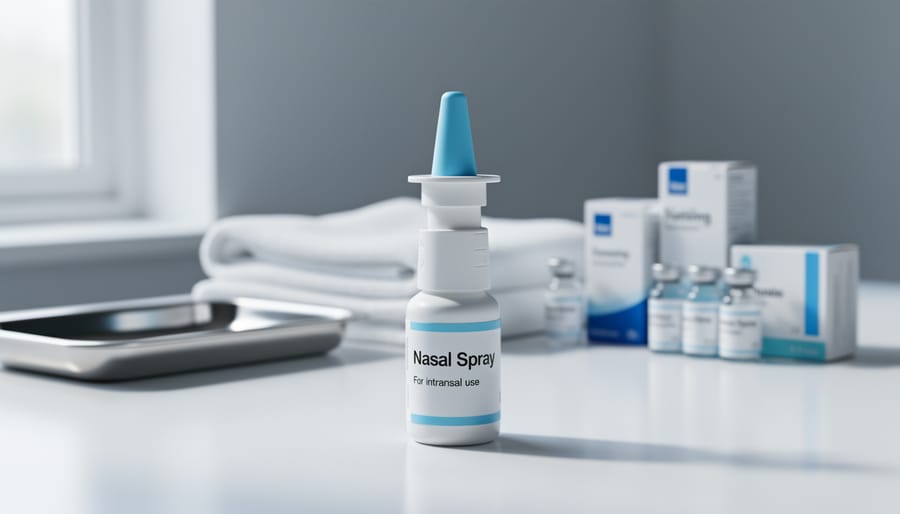
PT-141 nasal spray, a format used in PT-141 nasal for research is a delivery format for bremelanotide, a synthetic peptide that acts on melanocortin receptors in the central nervous system, the brain pathways involved in sexual desire and arousal. Unlike most compounds studied for sexual function, it works through neural signalling rather than by increasing blood flow. The nasal route delivers the peptide through the mucous membranes inside the nose, which differs from the subcutaneous injection format used in much of the published clinical work.
That difference matters. Delivery method affects how quickly a compound is absorbed, how consistently it reaches circulation, and how practical it is to study. Researchers and Canadian labs exploring peptide science are asking whether a needle-free format can hold up against injection, and the honest answer is that the evidence is still developing. Labs sourcing PT-141 nasal for research need to understand what the existing studies actually cover, and where they stop.
This overview explains how PT-141 works, how the nasal format compares with other delivery methods, and what research exists, without overstating what it shows.
What PT-141 Means: A Plain-Language Definition
PT-141 is the research name for bremelanotide, a lab-made peptide. A peptide is simply a short chain of amino acids, the same building blocks that make up proteins, only far smaller. Your body makes many peptides naturally and uses them as chemical messengers. Because digestion tends to break them apart, peptides are tricky to deliver, which is exactly why format matters.
PT-141 was designed to act on certain receptors in the brain rather than on blood vessels. The terms below come up often in this research, so here is a quick glossary:
- Peptide
- A short chain of amino acids that can act as a signalling molecule in the body.
- Melanocortin receptor
- A type of receptor, found in the brain and elsewhere, that PT-141 is understood to interact with.
- Bremelanotide
- The generic name for PT-141, used in the injectable product that has gone through formal regulatory review in some countries.
- Bioavailability
- The share of a substance that actually reaches circulation in a usable form after it is taken.
- Intranasal delivery
- Giving a substance through the nose so it is absorbed across the nasal lining.
The distinction that matters most here is between the injectable and the nasal spray. The regulated bremelanotide product studied in large clinical trials is a subcutaneous injection, meaning a small injection under the skin. The nasal spray format, by contrast, has shown up mostly in earlier research and in discussions about compounding, where a pharmacist prepares a custom formulation.
In Canada, drugs and their formats fall under Health Canada oversight. Approval status can change, and it applies to specific products and formats, not to a molecule in general. We can’t confirm what is currently authorized, so please check Health Canada’s Drug Product Database and notices directly for the latest information.
How a Nasal Spray Delivers PT-141 and Why Researchers Study It
How the Brain Pathway Works
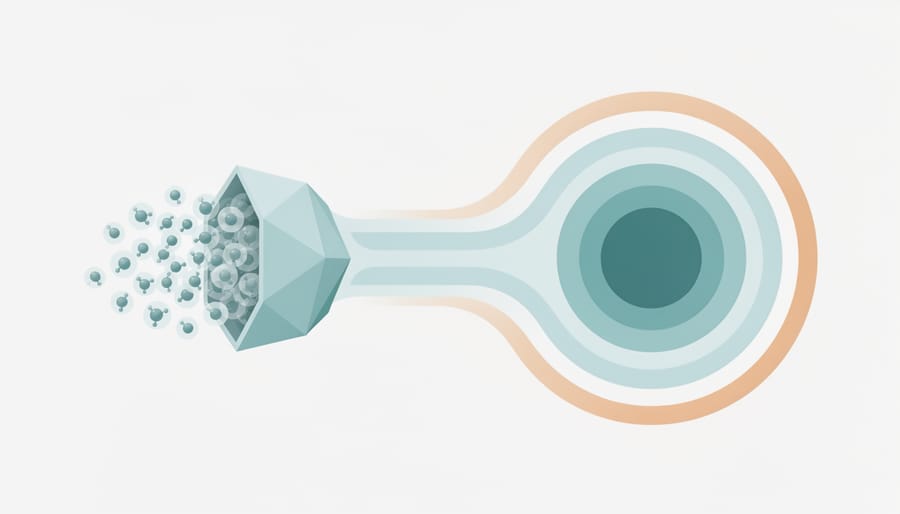
PT-141 is understood to work through the brain rather than through the blood vessels. Researchers describe it as a melanocortin receptor agonist, meaning it binds to specific receptors in the central nervous system, including areas linked to desire and arousal. Once activated, those receptors are thought to influence signalling pathways tied to motivation and sexual interest.
That is a different route from the better-known category of treatments that act on blood flow. Those medicines relax blood vessels to support a physical response, but they do not change desire itself. PT-141’s proposed mechanism starts upstream, in the brain’s signalling, which is why it has been studied for desire-related concerns rather than circulation.
Think of it like the difference between upgrading the pipes and changing the control system. Just as energy-efficient infrastructure depends on smarter control systems rather than just bigger hardware, this pathway targets the signal rather than the plumbing. Even so, the exact mechanism is still being studied.
Why the Nasal Format Is a Research Question
Delivering a peptide through the nose sounds simple, but the science is anything but. The nasal lining is thin and rich in blood vessels, which is why researchers see potential for absorption without needles or digestion. Yet peptides are fragile, and the nose is a surprisingly demanding environment. Mucus clears material quickly, enzymes can break molecules down, and the amount that actually crosses the membrane can vary from one spray to the next.
Those variables are what make the format a genuine research question rather than a settled one. Onset, for example, depends on how much of the dose lands on the absorptive surface, how long it stays there, and how well the formulation protects the peptide. Getting that balance right takes the same kind of thinking that goes into design for sustainability: a system only works well when every component, from the molecule to the device, is considered together.
It also helps to separate evidence from noise. Peer-reviewed studies have examined intranasal absorption and compared delivery routes under controlled conditions, though that body of work is more limited than the research on injectable forms. Claims about fast onset or superior results that circulate on retail sites and forums are a different matter. Without published methods and measured outcomes, they are marketing or anecdote, not evidence. When you read about the nasal format, look for named studies, stated doses, and clear methods rather than confident promises.
What the Research Says: Findings, Formats, and Gaps

The evidence on PT-141 is uneven, and the format matters a great deal. The most robust clinical trial data relates to the subcutaneous injectable form of bremelanotide, which went through large, controlled studies, most of them in people with hypoactive sexual desire disorder. The nasal spray sits in a thinner part of the literature. Intranasal studies do exist, but they are fewer, tend to be older, and were generally smaller and earlier-stage.
It helps to think in categories of evidence rather than individual headlines. Early-phase trials looked at whether the molecule reached the body through the nose and what happened afterward. Comparative delivery studies examined how intranasal and injected routes behaved side by side. Regulatory reviews, meanwhile, assess the injectable product on its own merits and say little about nasal formulations.
Across this literature, reported side effects have included nausea, flushing, and changes in blood pressure. Those findings are one reason clinicians treat the compound with care, particularly for people with cardiovascular concerns.
Here is a simple way to separate what is well studied from what is still uncertain for the nasal format:
- Well studied: the injectable form’s efficacy and safety profile in controlled clinical trials.
- Limited: efficacy data specific to the nasal spray, which rests on smaller and older studies.
- Uncertain: long-term safety with repeated intranasal use.
- Unresolved: standardized dosing, since absorption through the nasal lining can vary from person to person.
- Unverified: the purity and consistency of products sold outside regulated channels.
This gap between research and marketing is where readers can get misled. A finding from a trial of one formulation does not automatically carry over to a different product, and a study result is not the same thing as a consumer claim on a website. Good science communication means being willing to avoid hype claims and to say plainly what the data does and does not show.
If you want to look at the evidence yourself, go to the primary sources. PubMed lets you search peer-reviewed studies directly, and Health Canada is the place to confirm the current regulatory status of any product. Reading the original papers, rather than summaries written to sell something, is the most reliable way to judge what the research supports.
How PT-141 Is Used: Research Applications and Real-World Context
In clinical research, PT-141 has been studied mainly in connection with hypoactive sexual desire disorder (HSDD), a condition marked by persistently low sexual desire that causes personal distress. Most of the formal trial work has centred on the injectable form, since that is the version developed into an approved product in some jurisdictions. The nasal spray shows up differently: in earlier delivery-format studies, and far more often in informal online discussion, where it is sometimes described as a more convenient, needle-free option.
That gap between the research record and the conversation happening online matters. Peer-reviewed literature on intranasal PT-141 is limited, so many of the claims circulating about dosing, onset, and effects are not backed by robust clinical evidence.
A particular caution applies to products sold online as “research peptides.” These are typically not manufactured or tested to pharmaceutical standards, and they are often labelled “for research use only,” which means no one is verifying what is actually in the bottle. Purity, concentration, and sterility can vary widely, and contaminated or mislabelled peptides carry real risks. Quality is not a minor detail with a delicate molecule like this one.
None of this needs to cause alarm, but it does call for care. Anyone curious about PT-141 or any related therapy should speak with a licensed Canadian healthcare professional, who can discuss what is approved, what is evidence-based, and what is better avoided. Checking Health Canada for current regulatory information is a sensible first step.
At Sustainability Canada, we believe the same principle holds whether the topic is clean energy or health: clear, transparent communication of what the evidence shows, and what it does not, helps people make informed decisions.
Common Questions About PT-141 Nasal Spray
Is PT-141 the same as bremelanotide?
Yes. PT-141 is the research name for the synthetic peptide that is also called bremelanotide.
Is the nasal spray approved in Canada?
Approval status can change, so it’s best to check Health Canada directly rather than rely on a website or seller. Nasal formats have mostly appeared in research and compounding discussions.
How does it differ from the injectable form?
The injectable form has the strongest clinical trial record, while intranasal studies are more limited. Absorption and dose consistency are the main open questions for the spray.
What side effects have been reported?
Research has described nausea, flushing, and blood pressure changes. A licensed healthcare professional can speak to individual risk.
Peptide quality matters because these molecules are fragile and easily degraded. Products sold as “research peptides” may vary in purity, strength, and stability, with no oversight of what’s actually in the bottle. For reliable information, look to Health Canada, PubMed’s peer-reviewed literature, and your own pharmacist or physician.
PT-141, also known as bremelanotide, is a synthetic peptide that works on melanocortin receptors in the brain. The nasal spray is one delivery format researchers have explored, drawing interest because it skips the needle and sidesteps the stomach, where peptides break down. But the format still raises open questions about absorption, dose consistency, and stability, and the strongest clinical evidence belongs to the injectable form, not the spray.
That gap matters. What a study measures under controlled conditions and what a product label or online listing claims are two very different things, especially for unregulated “research peptides” with unverified purity.
Still, there’s something encouraging in the puzzle. Getting a fragile molecule to the right place in the body takes the same patient, transparent, evidence-first thinking that drives progress in any field, from clean energy to medicine. When you want answers, start with peer-reviewed literature, Health Canada, and a licensed Canadian healthcare professional. Good science rewards the curious who ask careful questions.