
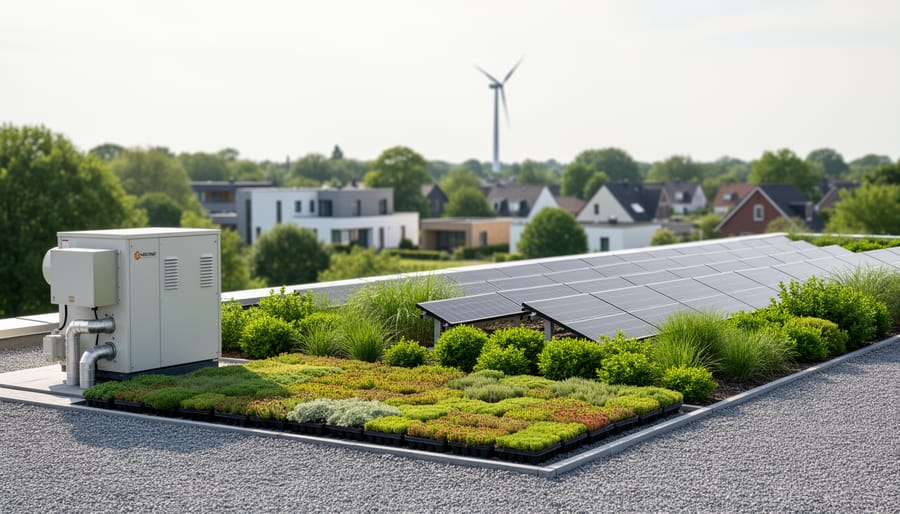
The three principles of sustainability are environmental protection, social equity, and economic viability. This triple-bottom-line framework recognizes that lasting solutions must balance ecological health, fair communities, and financial prosperity rather than sacrifice one for another.
Canada’s clean energy sector demonstrates why this balance matters. Solar farms that displace wildlife without community consultation fail. Wind projects that enrich developers while raising electricity costs for low-income households fail. Geothermal systems built with materials that can’t be recycled or repaired fail. True sustainability demands that we address all three dimensions together.
The framework emerged from decades of hard lessons. Early environmental movements focused solely on conservation, ignoring the economic realities of workers and communities. Industrial development proceeded without accounting for pollution or resource depletion. Social programs launched without financial planning or ecological awareness. Each approach created its own set of problems.
Today, the principles guide everything from corporate strategy to government policy. Mining companies in Northern Ontario now balance extraction profits with watershed protection and Indigenous consultation. Vancouver developers integrate affordable housing requirements with green building standards. Saskatchewan farmers adopt regenerative agriculture that preserves soil health while maintaining crop yields and ensuring fair labor practices.
The concept extends beyond business decisions into how we design our built environment. Design for sustainability reshapes manufacturing, construction, and urban planning around these interconnected goals.
This article breaks down each principle, explains how they interact in practice, and shows what integration looks like in Canadian clean energy projects. You’ll learn to recognize when all three are genuinely present versus when sustainability becomes mere marketing language. The distinction matters because half-measures don’t deliver lasting results.
What the Three Pillars of Sustainability Mean
The three pillars of sustainability represent a framework that ensures our progress today doesn’t compromise the wellbeing of future generations. Think of them as three interconnected legs of a stool: remove one, and the whole structure collapses. Each pillar addresses a different dimension of how we design, build, and operate systems that genuinely serve people and planet.
- Environmental Integrity
- Protecting and restoring natural systems by minimizing pollution, conserving resources, and maintaining biodiversity. This pillar ensures our activities don’t degrade the air, water, soil, and ecosystems that all life depends on.
- Social Equity
- Creating fair, inclusive communities where everyone has access to opportunities, resources, and decision-making power. This pillar addresses health, safety, cultural respect, and justice across all populations, particularly those historically marginalized.
- Economic Viability
- Building prosperity that endures by creating value without depleting resources or exploiting people. This pillar focuses on innovation, job creation, and financial models that support long-term community resilience rather than short-term profit extraction.
What makes this framework powerful is that none of these pillars stands alone. A solar farm in southern Alberta demonstrates this interconnection beautifully. It protects environmental integrity by displacing fossil fuel emissions. It advances social equity by creating local jobs and lowering energy costs for nearby communities. And it proves economic viability by generating stable returns for decades while supporting the province’s shift toward renewable energy.
Indigenous-led conservation initiatives across Canada show the same integration. When Haida Nation established protected areas in Haida Gwaii, they honored environmental integrity through ecosystem restoration, advanced social equity by asserting rights and incorporating traditional knowledge, and strengthened economic viability through sustainable tourism and resource management that benefits their community long-term.
The crucial point: you can’t cherry-pick one principle and ignore the others. A project might reduce emissions (environmental win) but if it displaces communities without consent (social failure) or requires perpetual subsidies (economic unsustainability), it’s not truly sustainable. Real sustainability requires all three pillars working in concert, each reinforcing the others to create solutions that actually last.
How the Three Principles Work Together in Practice
The Balance Challenge
Balancing all three sustainability principles in a single project rarely produces a tidy equilibrium. A community might push for clean energy infrastructure that protects local ecosystems yet discovers the upfront capital cost delays implementation by years. Another region champions affordable renewable energy only to face pushback from residents whose land or livelihoods are affected. These tensions are not flaws, they reflect the real-world complexity of designing systems that must serve the environment, people, and the economy at once.
Consider a proposed wind farm in rural Alberta. Environmentally, it reduces greenhouse gas emissions and diversifies the energy mix. Economically, it creates construction jobs and long-term revenue for landowners. Socially, however, nearby communities may object to noise, visual impacts, or insufficient consultation. Achieving balance means transparent dialogue, compensating affected parties, and phasing development to address concerns rather than choosing one principle and dismissing the others.
The same dynamic plays out in urban settings when retrofitting energy efficient infrastructure into older buildings. Reduced operating costs and lower emissions deliver clear environmental and economic wins, yet renovation often displaces tenants or raises rents, a social equity cost. Navigating these trade-offs requires deliberate design choices, stakeholder input, and sometimes accepting that perfection across all three dimensions is unattainable. The goal is informed compromise that advances each principle as far as context allows, rather than ignoring one to optimize another.
Systems Thinking in Sustainable Design
Systems thinking means stepping back to see the whole picture, recognizing that every design choice sends ripples through environmental, social, and economic systems, both now and decades ahead. Instead of solving one problem in isolation, this approach maps connections: a wind farm’s carbon savings, the jobs it creates for local technicians, the land-use agreements with First Nations communities, the grid upgrades it requires, and the manufacturing supply chains it activates. All these threads weave together.
In practice, systems thinking starts with lifecycle analysis. A solar panel might appear perfectly green at installation, but a complete view considers the mining of raw materials, energy consumed during manufacturing, transportation emissions, performance over twenty-five years, and end-of-life recycling challenges. The social dimension adds another layer: Who benefits from the jobs created? Are workers trained safely? Do nearby residents have a voice in siting decisions?
This mindset prevents unintended consequences. Rushing to electrify transit without planning for battery disposal creates a future waste crisis. Building affordable housing that ignores energy efficiency locks low-income families into high utility bills. Systems thinking asks: What happens next? Who else is affected? What does success look like in ten years?
For Canadian projects navigating complex stakeholder landscapes, Indigenous rights, provincial regulations, climate targets, community concerns, this holistic lens isn’t optional. It’s how we design solutions that actually hold together when tested by real-world pressures and time.
The Three Components of Sustainable Design
Environmental Integrity: Protecting Natural Systems
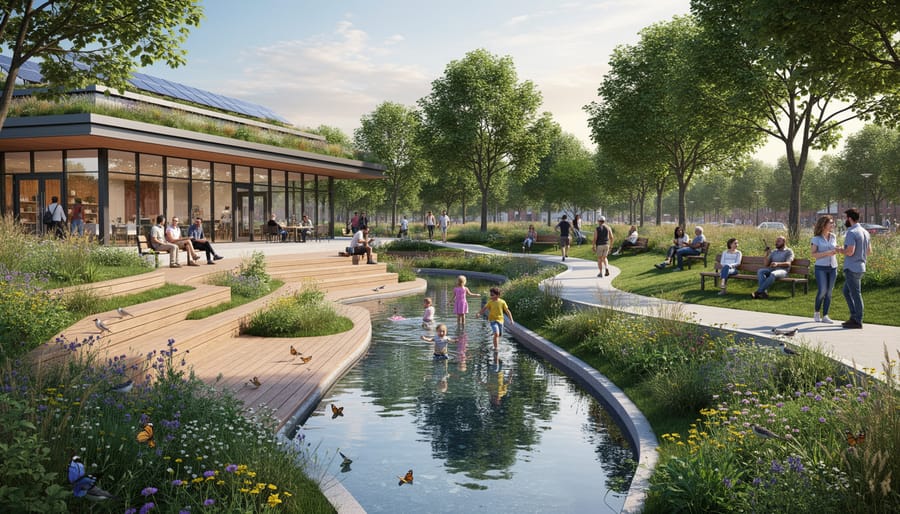
Environmental integrity, the first pillar of sustainability, focuses on minimizing harm to ecosystems and preserving the natural systems that support all life. In sustainable design, this means making choices that reduce resource depletion, lower emissions, protect biodiversity, and keep materials circulating rather than becoming waste. Canada’s clean energy sector demonstrates how environmental integrity can drive innovation while creating economic opportunity.
At the core of environmental design are several interconnected considerations:
- Reducing carbon footprint through renewable energy and energy efficiency
- Minimizing waste and designing for durability and reuse
- Selecting renewable, recycled, or low-impact materials
- Protecting ecosystems and biodiversity in project planning
Resource efficiency stands as a fundamental strategy. This goes beyond simply using less, it means optimizing entire systems to eliminate waste. Canadian innovations like smart grids exemplify this approach, balancing electricity supply and demand in real time to reduce energy waste and integrate variable renewable sources like wind and solar.
Emissions reduction requires both transitioning to clean energy and improving efficiency across the lifecycle. Wind farms in Alberta and hydroelectric projects in Quebec displace fossil fuel generation, while building retrofits cut heating and cooling demands. The most effective projects address emissions at the source rather than relying on offsets alone.
Circular economy thinking transforms waste into resources. Instead of the traditional extract-use-dispose model, circular design keeps materials in use through repair, remanufacturing, and recycling. Vancouver’s zero-waste initiatives and Ontario’s battery recycling programs show how this principle creates new industries while reducing environmental impact.
Biodiversity protection ensures projects don’t just minimize damage but actively support ecosystem health, whether through habitat corridors in urban developments or environmental impact assessments that prioritize species protection before breaking ground.
Social Equity: Building Fair and Inclusive Communities
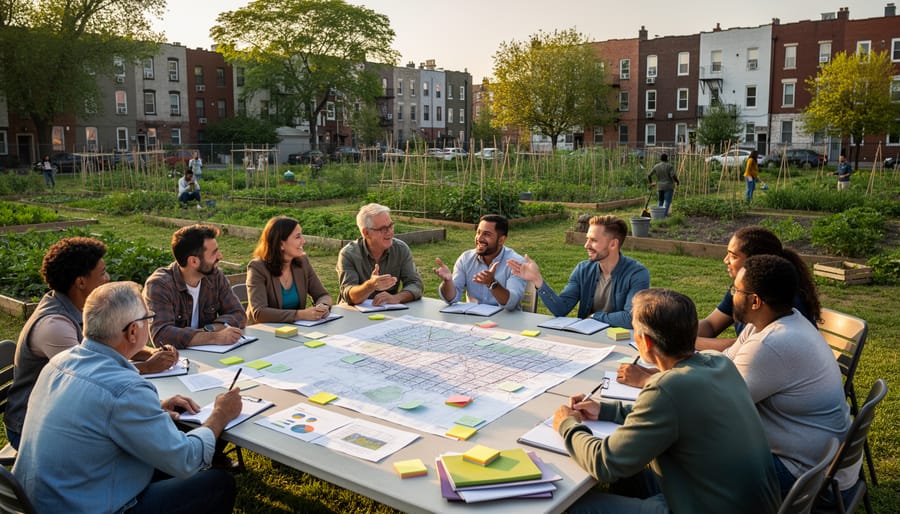
Social sustainability means designing projects that strengthen communities rather than simply operating within them. It requires genuine engagement with affected populations, fair distribution of benefits and burdens, and recognition that environmental solutions must not worsen social inequalities. In Canadian clean energy development, this principle acknowledges that renewable projects can create jobs while also displacing communities, or reduce emissions while concentrating pollution impacts on vulnerable neighbourhoods.
Indigenous rights and knowledge sit at the core of social equity in Canadian sustainability. Effective projects seek free, prior and informed consent from Indigenous communities, integrate traditional ecological knowledge into design decisions, and establish benefit-sharing agreements that respect sovereignty. The Mushkegowuk Cree First Nations’ partnership in Ontario’s Moose Cree Solar Project exemplifies this approach, community ownership delivered both clean electricity and economic self-determination without compromising cultural values.
Social sustainability encompasses several interconnected factors:
- Community benefits such as local hiring, skill development, and shared ownership structures
- Meaningful Indigenous consultation from project conception through operation, not merely compliance checkboxes
- Job quality including fair wages, safe conditions, and long-term employment rather than temporary construction roles
- Public health outcomes like reduced air pollution, improved housing conditions, and accessible green space
- Equitable access ensuring low-income households can afford clean energy technologies and participate in the transition
Just transition planning addresses the social cost of moving away from fossil fuels. Alberta’s Coal Transition Centres support workers and communities affected by coal phase-outs with retraining programs, income bridges, and economic diversification initiatives. This acknowledges that environmental progress cannot come at the expense of working people’s livelihoods, sustainable design must account for human consequences and provide practical pathways forward for everyone.
Economic Viability: Creating Long-Term Value
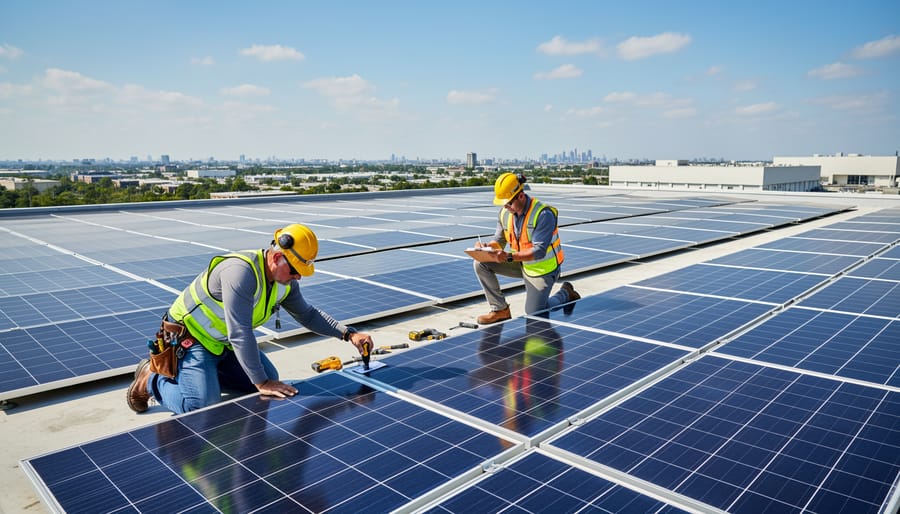
Economic viability ensures that sustainable solutions create lasting value rather than short-term financial burdens. It shifts the focus from initial capital costs to total cost of ownership, accounting for operational savings, maintenance expenses, and end-of-life considerations over decades. This principle recognizes that projects failing to demonstrate economic resilience eventually erode support for environmental and social goals, making financial sustainability essential to the framework’s long-term success.
Canadian clean energy projects demonstrate how this principle drives real returns. Solar installations in Ontario reduce electricity costs for decades after installation, while energy efficiency retrofits in British Columbia pay for themselves through reduced heating bills. These aren’t sacrifices for the planet, they’re strategic investments that strengthen balance sheets while cutting emissions. When Vancouver’s False Creek Neighbourhood Energy Utility replaced natural gas heating with renewable district energy, it created a business model that delivers both carbon reductions and predictable revenue streams for thirty years.
Economic design elements include:
- Total cost of ownership calculations that reveal long-term savings from reduced energy consumption and maintenance
- Local job creation through manufacturing, installation, and ongoing operations of clean technologies
- Scalability that allows solutions to grow from pilot projects to widespread adoption
- Market viability ensuring products and services remain competitive without perpetual subsidies
- Innovation potential that opens new revenue streams and industry leadership opportunities
The principle also recognizes how sustainability drives competitive advantage. Alberta’s hydrogen sector attracts billions in investment precisely because companies see economic opportunity in the energy transition. Quebec’s electric vehicle supply chain creates manufacturing jobs while positioning the province as a North American hub. Economic viability doesn’t mean choosing profit over planet, it means designing solutions where environmental performance strengthens financial returns, creating the conditions for sustainability to scale.
Where These Principles Are Applied in Canada
Canada’s three sustainability principles come alive in projects spanning coast to coast, from LEED Platinum office towers in Toronto to community solar initiatives in rural Saskatchewan. These real-world applications demonstrate how environmental integrity, social equity, and economic viability work together to create lasting value.
In building design, the CaGBC Zero Carbon Building Standard has guided hundreds of Canadian projects toward net-zero emissions. The Earth Sciences Building at the University of British Columbia achieved deep energy reductions while creating Indigenous gathering spaces and generating research opportunities, integrating all three pillars in one structure. Similarly, the Evolv1 tower in Waterloo operates as a net-positive energy building while prioritizing occupant health and creating a model for profitable green development.
Urban planning showcases the principles at city scale. Vancouver climate action frameworks combine ambitious emission reduction targets with affordable housing requirements and green job creation programs. Montreal’s Éco-Quartiers program transforms neighbourhoods through community composting, urban agriculture, and local employment while reducing waste and strengthening social connections.
Energy systems represent some of Canada’s most visible sustainability wins. Alberta’s Travers Solar Project generates 465 megawatts of clean power while creating construction jobs and long-term revenue for landowners. Ontario’s community energy co-operatives place renewable energy ownership in local hands, distributing both environmental benefits and financial returns to members.
Manufacturing is embracing circular economy principles through initiatives like the Canadian Plastics Pact, where companies commit to eliminating problematic packaging, increasing recycled content, and ensuring all plastic packaging is reusable or recyclable by 2025. These commitments reduce environmental harm while creating markets for recycled materials and skilled processing jobs.
Policy development increasingly embeds sustainability principles into decision-making frameworks. The federal government’s Impact Assessment Act requires major projects to demonstrate considerations across environmental, social, health, and economic dimensions. Provincial carbon pricing mechanisms generate revenue reinvested in public transit, energy efficiency programs, and just transition supports for affected workers, turning environmental policy into comprehensive sustainability action.
Common Questions About Sustainability Principles
How do these principles actually work when you hit the ground with a real project? The questions below reflect what designers, policymakers, and community leaders ask most often as they move from understanding the framework to applying it.
Can you achieve all three principles equally in every project?
Perfect balance is rare. Most projects prioritize one or two principles initially while ensuring the third isn’t compromised. A remote solar installation might emphasize environmental and economic goals first, then improve social equity through community ownership models over time.
How do you measure whether a project is truly sustainable?
Use specific metrics for each pillar: carbon emissions and resource use for environmental, job quality and community health for social, and lifecycle costs plus revenue stability for economic. Third-party certifications like LEED or B Corp provide standardized benchmarks, but custom indicators tailored to your context often prove most useful.
What happens when the three principles conflict?
Conflicts are common and require transparent negotiation. If a renewable energy project threatens sacred Indigenous land, social equity must guide the conversation, leading to alternative sites or co-designed solutions. Stakeholder dialogue and adaptive planning help resolve tensions without abandoning sustainability goals.
Do small projects really need to apply all three principles?
Yes, even modest initiatives benefit from the framework. A community garden addresses food security (social), reduces transportation emissions (environmental), and creates local economic activity (economic). Scaling down doesn’t mean dropping principles, just adjusting how you implement them.
What role does innovation play in balancing these principles?
Innovation often unlocks solutions that seemed impossible. Battery storage technology turned intermittent solar power into reliable grid supply, solving an economic barrier. New financing models like green bonds make environmental projects economically viable. Creativity and experimentation help align principles that initially appear at odds.
How can individuals apply these principles in their daily work?
Start by asking three questions about any decision: What’s the environmental impact? Who benefits and who’s excluded? Does this create lasting value or just short-term gain? Whether you’re designing a building, writing policy, or running a business, this lens reveals opportunities to shift toward more sustainable choices.
The learning curve is real. Organizations new to this framework often stumble on measurement, trying to quantify social equity with the same precision as carbon metrics. That’s okay. Qualitative assessments through community feedback and participatory evaluation capture what numbers miss. The goal isn’t perfect data but honest accounting that drives better decisions. As you gain experience, your ability to see connections between principles sharpens, and integration becomes instinctive rather than forced.
The three principles of sustainability, environmental integrity, social equity, and economic viability, aren’t separate goals to juggle. They’re interconnected parts of a single framework that shapes how we build, power, and plan for the future.
Canada’s clean energy transition shows this integration in action. When we design solar farms that protect farmland, create local jobs, and reduce emissions, all three principles work together. When we retrofit buildings to cut energy costs while improving indoor air quality for residents, we’re applying the framework as it’s meant to work: holistically.
Understanding these principles gives you a lens for evaluating projects in your community, workplace, or home. Does this initiative protect natural systems? Does it benefit people equitably? Can it sustain itself economically over time? These questions help cut through greenwashing and identify solutions that deliver real, lasting change.
As Canada works toward net-zero emissions, every decision guided by these principles moves us closer to resilient communities, meaningful employment in growing sectors, and a healthier environment. The framework isn’t abstract theory, it’s a practical tool for building the future we need.